

Ayurvedic tea
Ayurveda is a type of alternative medicine that originates from India, where it has been practiced for already thousands of years. In recent times, it has found its place in the world of wellness and is used for some medical purposes. The name itself comes from Sanskrit where "ayus" means life and "veda" means knowledge, making Ayurveda the "science of life". It is based on the belief that health depends on the balance of mind, body and spirit, and the main goal is to improve health, not fight disease.
Those who practice Ayurveda believe that in each person there are five basic elements found in the universe - air, fire, water, earth, and space. The combination of these elements in each person is unique and represents three vital energies called doshas. These doshas are Vata, Pitta, and Kapha and each is in charge of a different bodily function, while together they control the entire body. One dosha is usually stronger than the others, but it is believed that a balance of all three leads to health, and an imbalance leads to disease. In Ayurvedic practice, this balance is achieved through exercise, meditation, massages, and cleansing the body of toxins by consuming certain foods and drinks that have a purifying effect. An example of this is Ayurvedic teas - specially formulated blends of plants, fruits, and spices - which help maintain energy levels, emotional state, digestion, immune system, etc.
Each dosha has its own place in the body: Vata is in the colon, Pitta is in the stomach, and Kapha is in the chest. Vata dosha is a combination of space and air, and it is considered the most powerful because it controls all body functions such as breathing, blood flow, heart, and digestive system. People who are dominated by Vata dosha are often creative, active, and quick learners. Ayurvedic Vata tea traditionally consists of licorice root, cinnamon, ginger, cloves, stevia, and fennel, and is used for calming, relaxation, and balance. People with a dominant Pitta dosha, which is a combination of fire and water, are often organized, intelligent, and warm-hearted. Pitta tea consists of licorice root, rose, fennel, cardamom, ginger, and stevia, and promotes balanced emotions, clear thinking, and good metabolism. The last dosha, Kapha, is a combination of water and earth, and when it prevails it brings calmness, endurance, and patience. To achieve this optimistic outlook on life, the ingredients for Kapha Ayurvedic tea are ginger, licorice, cinnamon, cloves, black pepper, and cardamom.
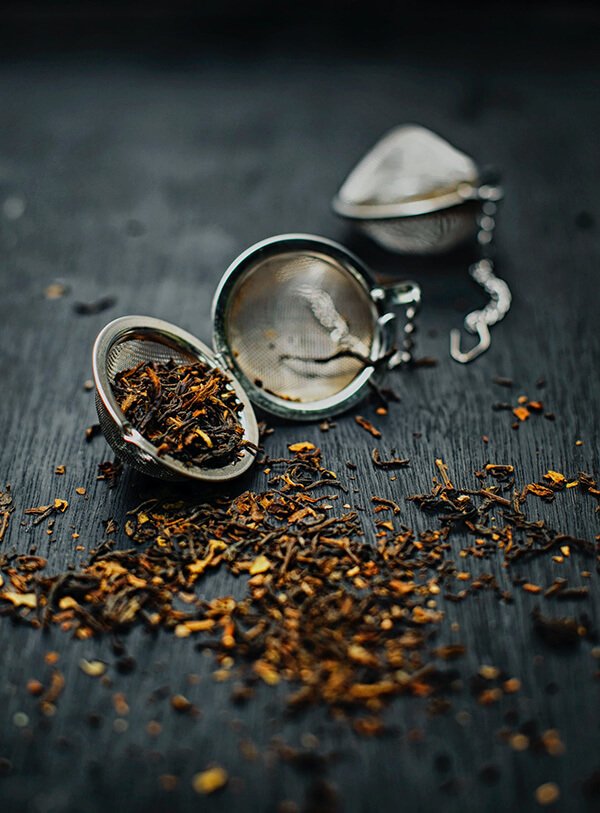
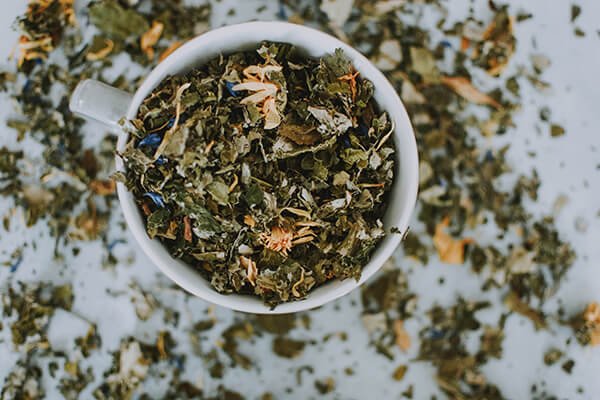
Although Ayurveda is a pseudo-science, it has been fully integrated into the everyday life of people from the Indian subcontinent, and now we meet it more and more often in the Western part of the world, along with yoga and meditation. It is considered to promote health and energy and is also useful in detoxifying the body. It should be emphasized that Ayurveda is primarily intended for the prevention of diseases, not their treatment, so a cup of Ayurvedic tea could be a great substitute for morning coffee, either for pleasure or for health.
Latest Recipes
We bring you tried and tested recipes of our favorite dishes, culinary tips, and suggestions on how to best combine spices and ingredients for a complete sensory experience.

Summer Garden with Black Tomato, Melon, Black Raspberry and Harissa Provencal Salt
Summer Garden with Black Tomato
with Melon, Black Raspberry and Harissa Provençal Salt
Salad by Chef David Francesco Komadina

MARITOZZO ALLA ROMANA
Mekano talijansko brioche tijesto s citrusnom aromom, punjeno laganom crema diplomaticom.
Recept je osmišljen kao klasična rimska baza s preciznim koracima pripreme, kako bi tijesto ostalo mekano, prozračno i bogato kremasto.